|


Links
|
|
|
|
|
|
| |
 |
 |
 |
|

|
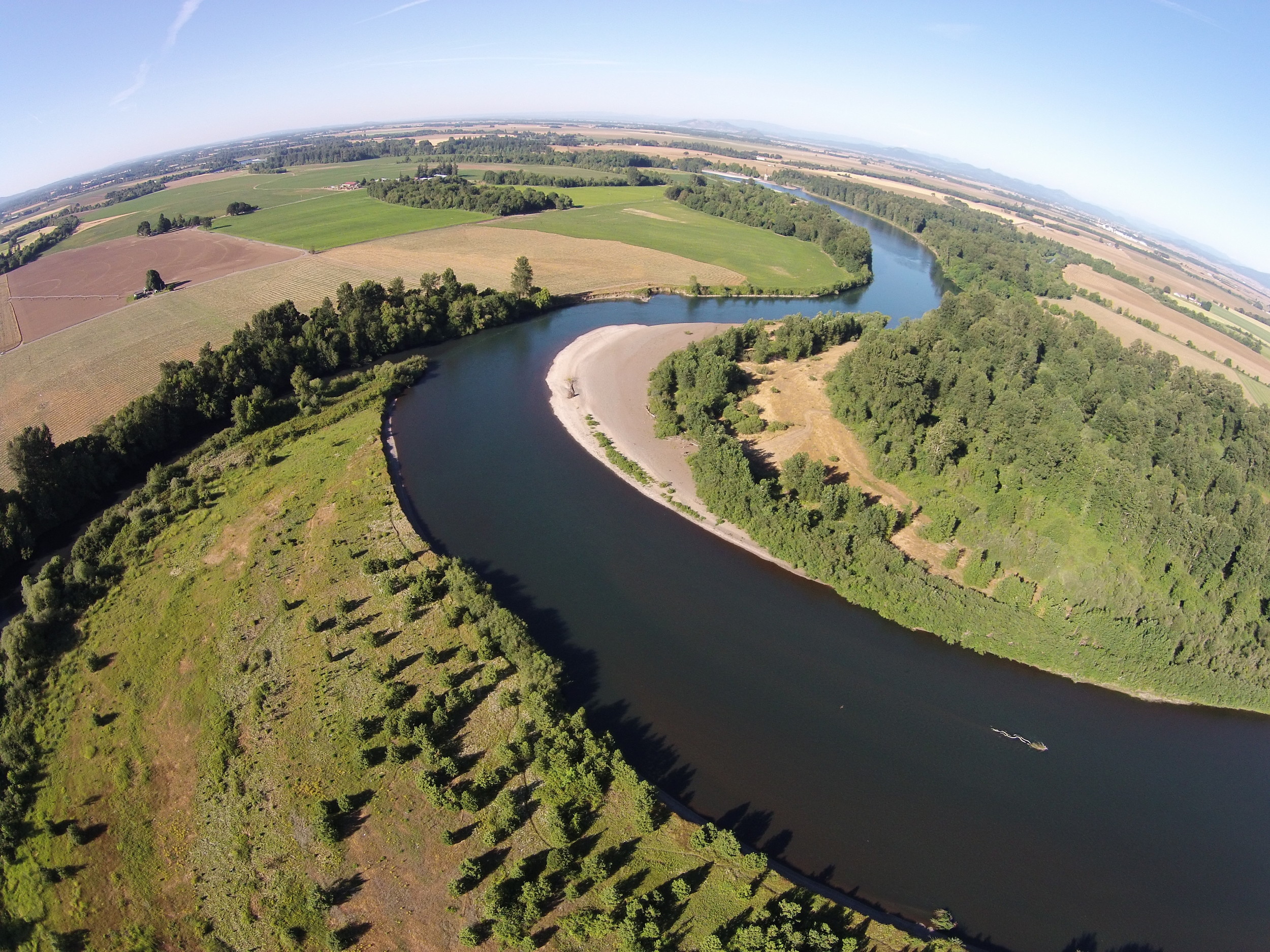
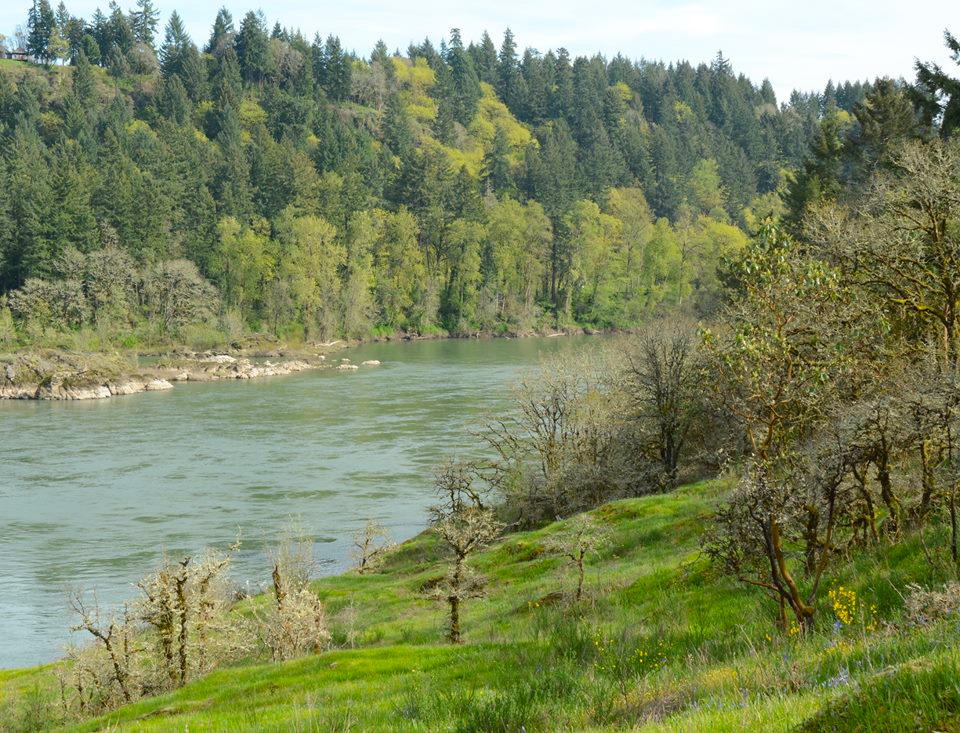
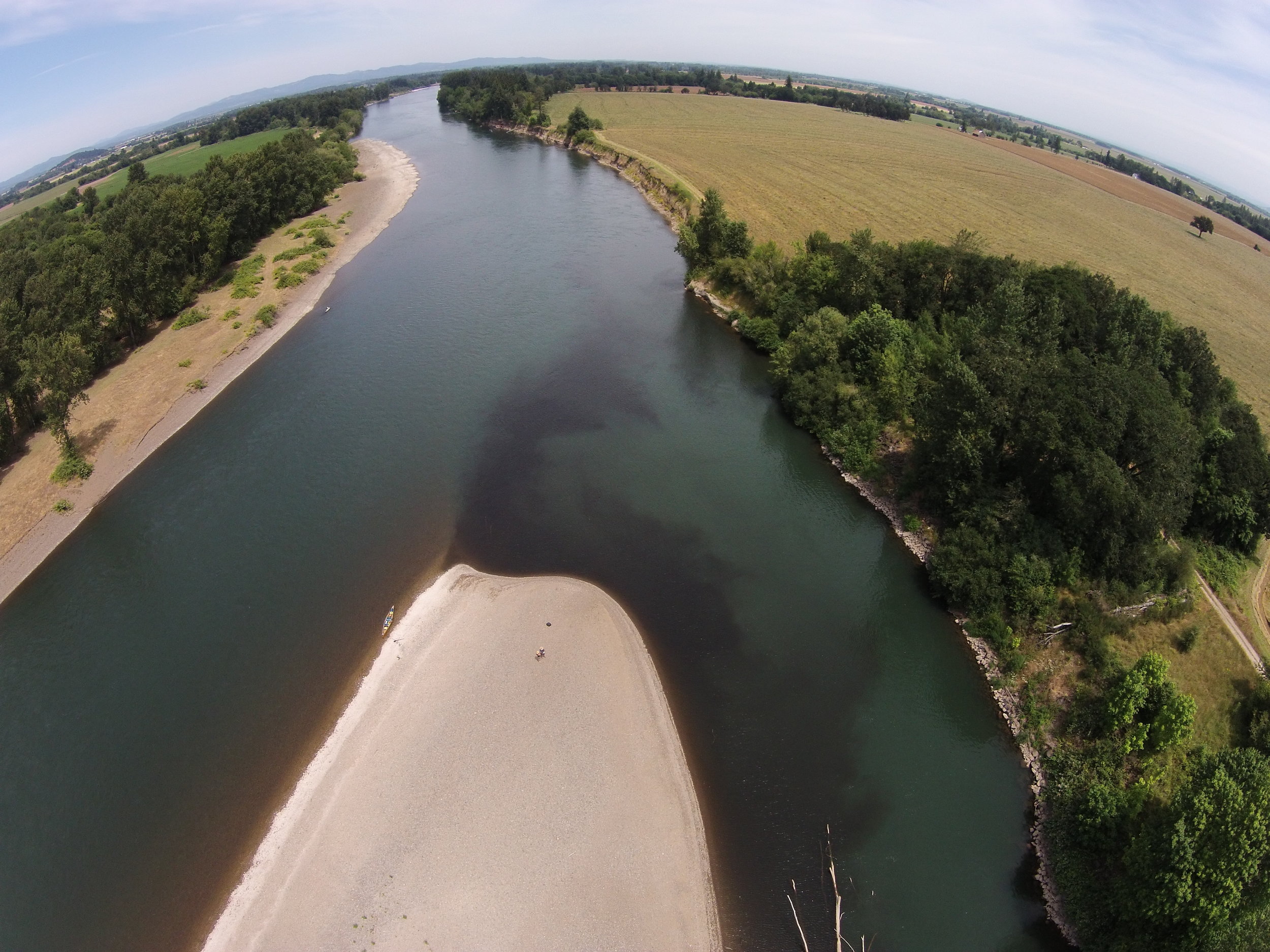
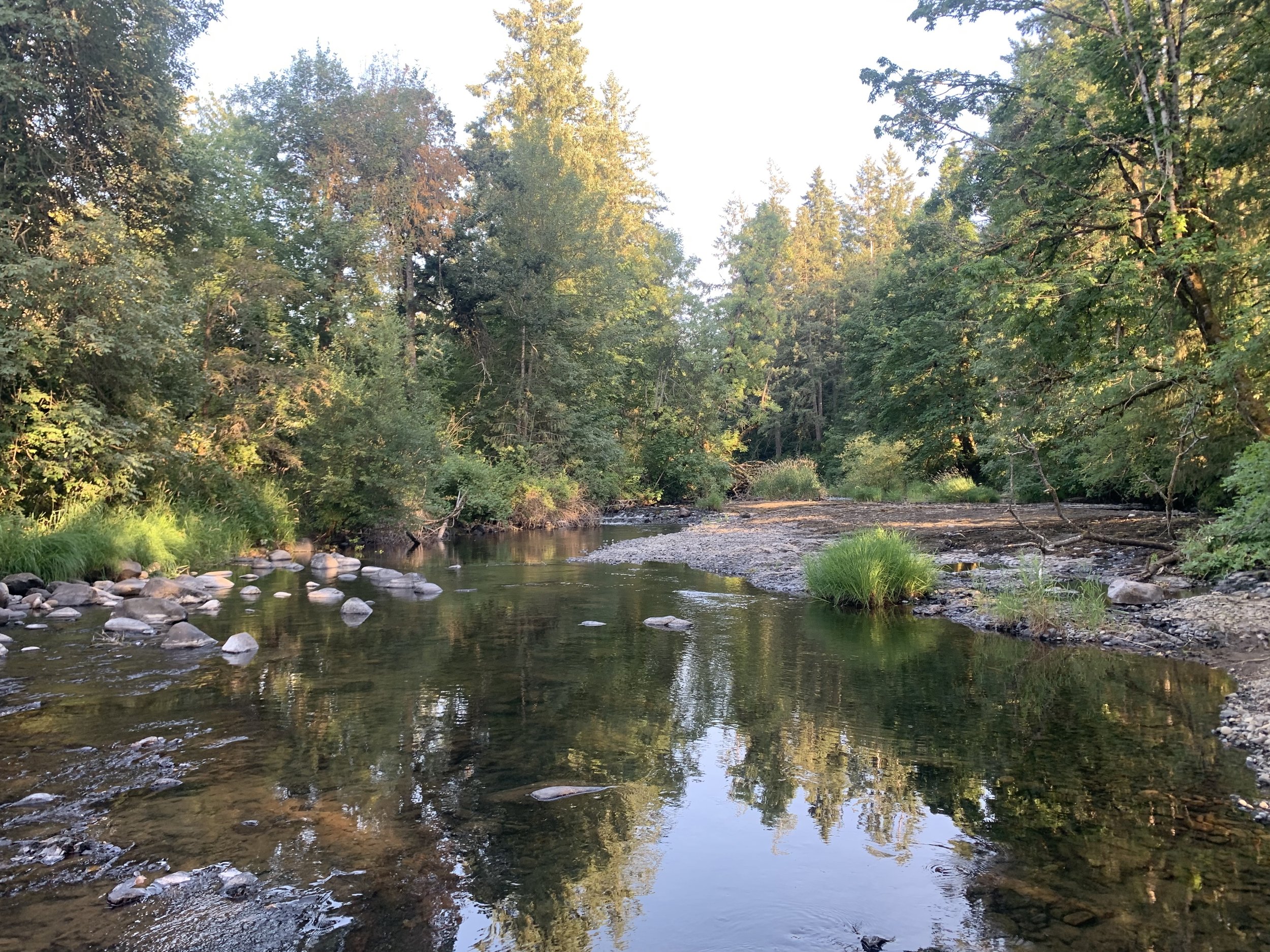
Historically, the Willamette River was a wild river. Rising with massive floods in winter and spring, and expanding across a wide valley that bears its name, the river ran with power and a dynamic nature that is too seldom seen today. As the centerpiece of the Willamette Valley, the Willamette River pushed its way some 187-miles on its main stem, from Eugene to Portland, with cold runoff from the mountains and splashing valley torrents creating a vibrant flow. Throughout the long history of this river, it was common for great floods to result in the river changing its course significantly.
|
The valley was typified by open prairies and oak and conifer woodlands that covered the land, then tracing into the foothills of the Cascade and Coast Rangemountains. Native peoples, mainly the Calapooia, populated the valley and utilized the river until the arrival of Euro American settlers from the East Coast. Abundant fish and other wildlife called the river and its valley home. Over the past 150 years much has changed in the Willamette Valley and the river reflects this change.
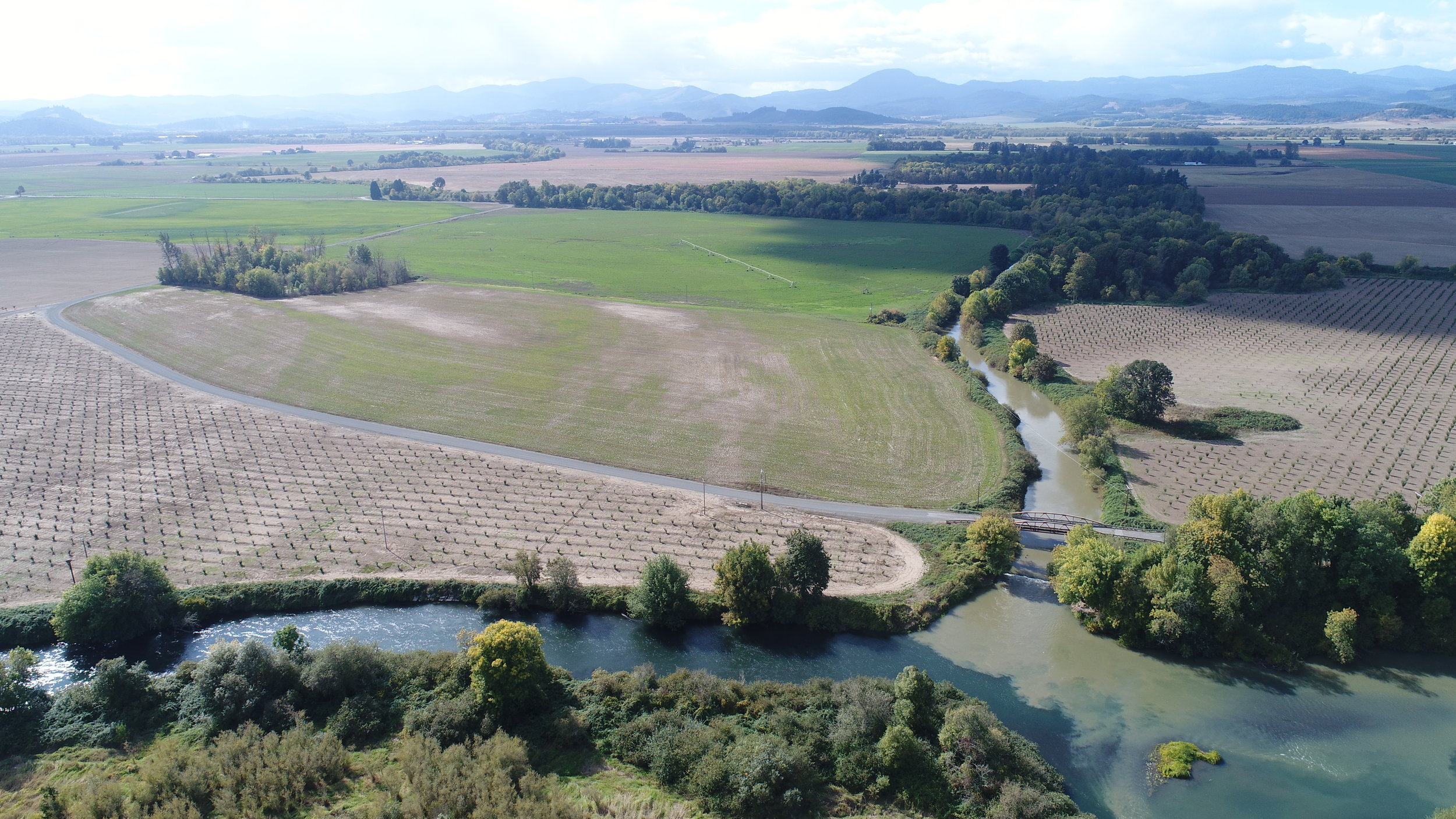
Today the river is surrounded by agricultural land with little in the way of riverside forests that once flourished. Cities now hug its banks and alter the River's character. Industrial facilities nestle against the river to utilize it as a water source and dumping ground. Its flows have been harnessed and modified by hydropower dams on the tributaries. Simply put, pollution and habitat destruction have altered the function and very health of the Willamette River. Though the nature of the Willamette Valley has been modified greatly, there are still opportunities to regain some semblance of the river's former health and vitality. The Willamette River can indeed be a place that is clean and healthy for the species that inhabit its waters and for the people that turn to this resource for recreation and solitude.
|
|
|

|
|
Physical Character
As the 13th largest river by volume in the United States, the Willamette River is a big river. Since the valley that it drains receives an average of between 40-50 inches of rain a year, the volume of water is easy to imagine. The river and its tributaries drain a river basin that is some 11,500 square miles in area. Average flow on the river is some 32,000 cubic feet per second (cfs) where the river flows into the Columbia. By contrast, at its peak flood in February of 1996, the Willamette's flow was estimated to be some 460,000 cfs. It is believed that historic floods went well beyond this number.
The river is held back by some 13 US Army Corps on Engineers dams on its tributaries, 11 of which produce hydropower. There are other privately held dams that influence the river as well. These projects have control over approximately 27% of runoff in the basin. Therefore, these projects have a lot to do with how freely the river can flow in the spring months. These projects have a direct connection to the future health and natural function of the Willamette.
|
Major Tributaries
As the map indicates, the Willamette River has multiple tributaries, twelve of which are considered major tributaries. The following section is a work in progress that highlights information about these major tributaries. For more information click on the tributary name.
|
Coast Fork ~ Middle Fork ~ McKenzie
Long Tom ~ Mary's River ~Calapooia
Luckimute ~ Santiam ~ Yamhill
Mollala ~Tualatin ~Clackamas |
General Tributary Links
Some Tributary aerial photos from the Army Corps https://www.nwp.usace.army.mil/ec/ts/WillTribs/tribindex.html
Other Willamette River and Oregon river groups
http://www.4sos.org/wsgroups/wsgroups-or.html
Information taken from Oregon Department of Environmental Quality TMDL’s
http://www.deq.state.or.us/WQ/TMDLs/WillametteBasin.htm#W |
Watershed Uses
According to the USGS, some 22% of the Willamette Basin is used for agriculture, with another 70% comprised of forest. This percentage of forest is largely due to the mountainous parts of the Basin. The remaining area is largely urban. Today some 70% of all Oregonians live in the Willamette Basin. While this population trend might give rise to the assumption that there is a great deal of awareness about the river and its problems among Willamette Valley communities, the opposite seems true. Though one would hope that people would identify and care about the river, too often it seems they identify with a man made north south trending feature - Interstate 5.
The urban extent of the basin today has perhaps a greater impact on the river than its small land area might imply. It is because major cities in the basin tend to hug the river itself throughout its extent, thereby providing ample opportunity for polluted runoff to get into the river system and significant habitat alteration to occur.
|
Pollution Problems
Over the past 80 years the River has been polluted to various degrees and affected by destruction of habitat from the main stem of the River to headwater areas in the mountains. Historically some pollution has come from industry, some from agriculture, some from cities, and some from other sources as well. In the 1960s there was some very good progress made in reducing industrial wastes discharged into the River.
At the time Oregon Governor Tom McCall was helping to lead the charge in eliminating the kind of raw industrial pollution blatantly discharged from pipes hanging over river banks. While much progress was made, in the intervening 30 plus years, we have learned a great deal about river ecology and water quality. In this same period, some have also learned to get around protective features of environmental law.
Today there are still significant pollution and habitat issues that affect the river. To some degree pollution and habitat alteration continues to come from industry, cities, agriculture, and other sources.
While some may try to minimize the issues with talk of improvements that were, made over thirty years ago, there are some very significant and real issues affecting the river today, with some that are historic, and others ongoing. For example we have:
- River flows that are manipulated by dams to the detriment of native species.
- Habitat destruction on the main stem and tributaries that has resulted in threatened species and rising temperatures.
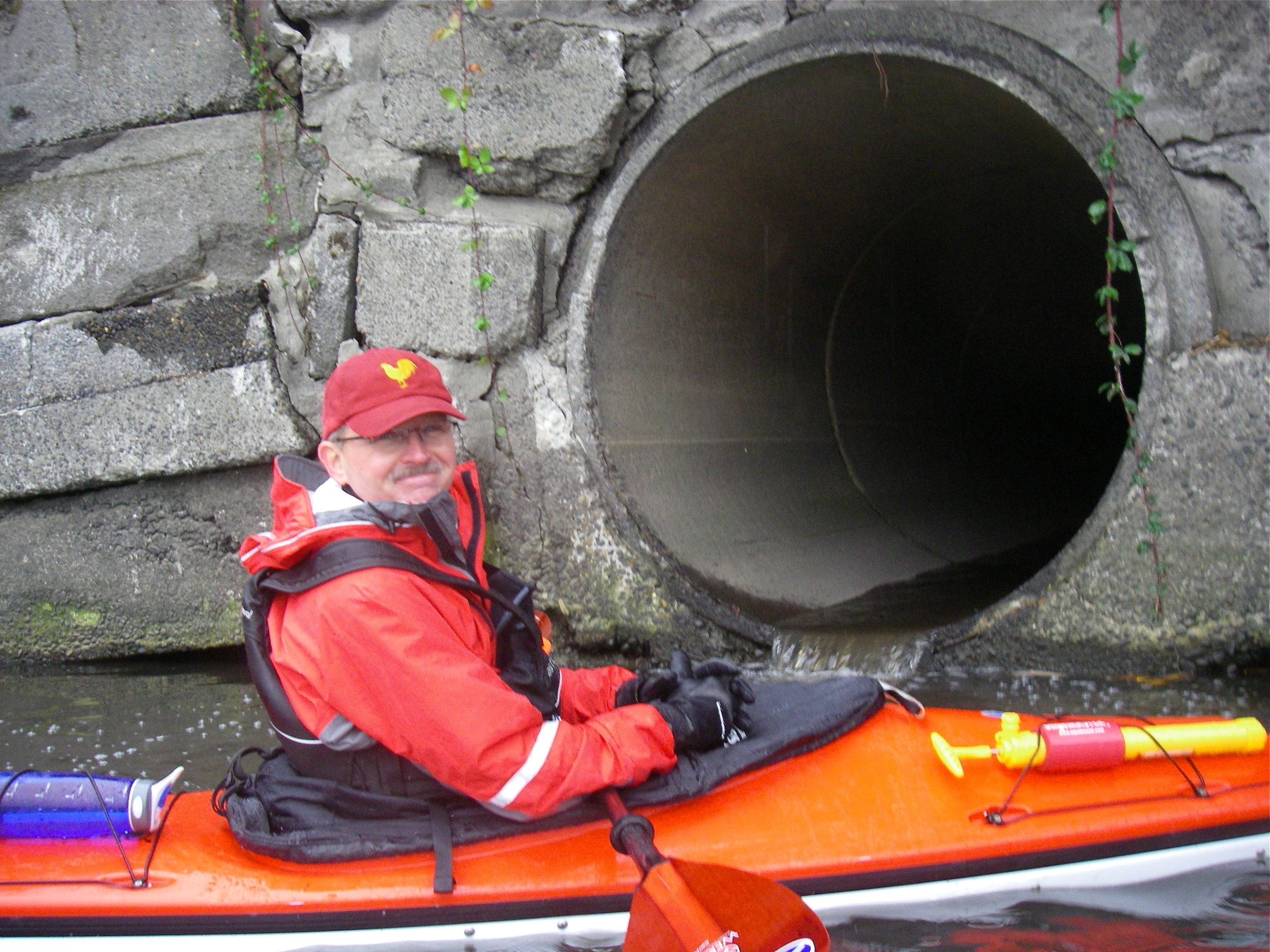
- Ongoing industrial discharges that continue to use the river as a conveyance for the removal of waste, resulting in toxic and other pollution (These are known as point sources, or single pipes and points that create a "discreet conveyance" for waste into the river).
- Significant urban runoff carrying all manner of pollution into the river including toxics (This gives rise to non-point source pollution, as in runoff from streets).
- Loss of channel diversity has created difficulty for species survival. In the early days an intensive effort to cut off natural back channels separated river habitat from the main river.
- In addition, some 90 miles of the river now has banks that were hardened with rip rap.
- Instead of multiple braided channels that support local biodiversity, the river is largely confined to one main channel in many areas.
- Significant agricultural runoff persists. Pesticides and herbicides, as well as nutrients that make their way from agricultural fields into the Willamette River system (non-point source pollution).
- Dredging and sediment disposal alter habitat and introduce dirty sediment to areas of the river.
Current Problems
While not all of these sources of pollution and habitat modification can be attributed to any one negative aspect of today's Willamette River, we do indeed have the following realities on the river:
- The Willamette is on the Clean Water Act 303 (d) list for violations of water quality standards.
- The Willamette currently violates temperature, bacteria, and mercury standards.
- A large section of the river, some 40-miles known as the Newberg Pool, is home to resident fish (those that don't migrate such as the northern pikeminnow) that exhibit high percentages of skeletal deformities. For example, in some samples in this area over 50% of the juvenile fish were deformed. This section of the river, as well as others, contains PCBs, dioxin, and PAH among others.
- A six-mile stretch of the river in Portland is now a federally designated Superfund site. This site is highly polluted with all manner of toxic pollution, heavy metals, and other substances. It is now going through a cleanup process that will likely push a decade to complete.
- Spring Chinook and steelhead, the Willamette's native salmonids, are listed as threatened under the Federal Endangered Species Act.
- Other species such as lamprey eel and white sturgeon have been found to contain significant concentrations of man made chemicals in their tissues.
- There is a fish consumption advisory for people that eat ANY species of resident fish. This is pretty much any fish other than salmon, lamprey, and sturgeon.
- New studies are underway that are looking into additional impacts from toxic and other pollution on the Willamette River and the species that inhabit it.
Willamette Riverkeeper's Work
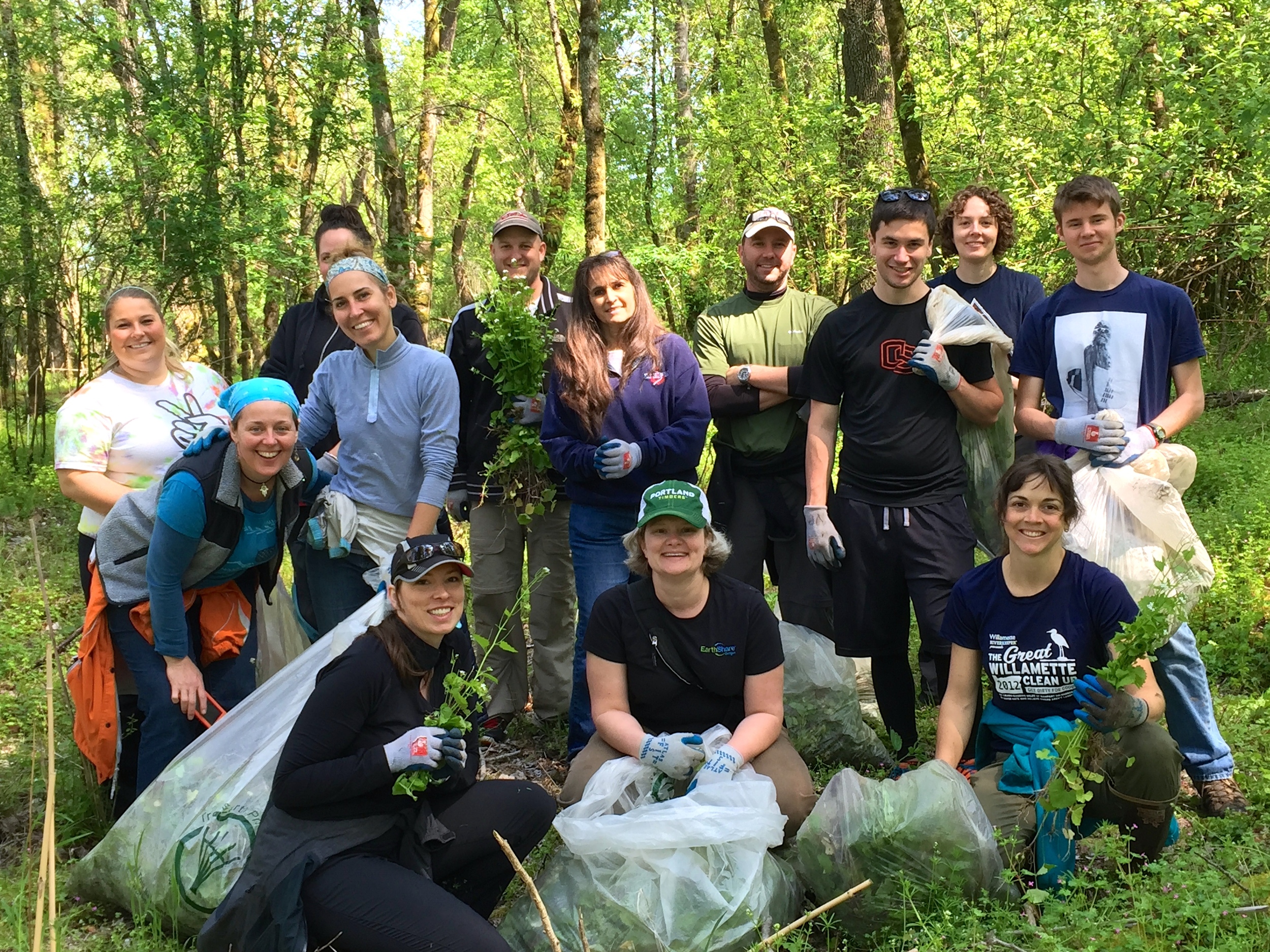
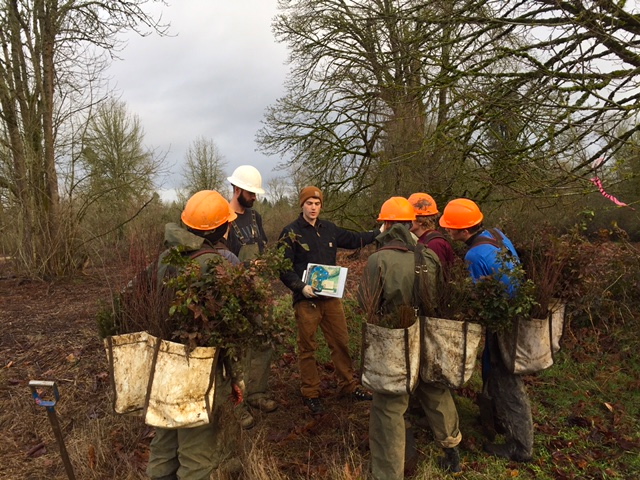
While this river has changed significantly over the past 150 years, there is still a great opportunity to protect and restore the river to some semblance of its prior condition. Willamette Riverkeeper is the only organization solely dedicated to protecting and restoring this river.
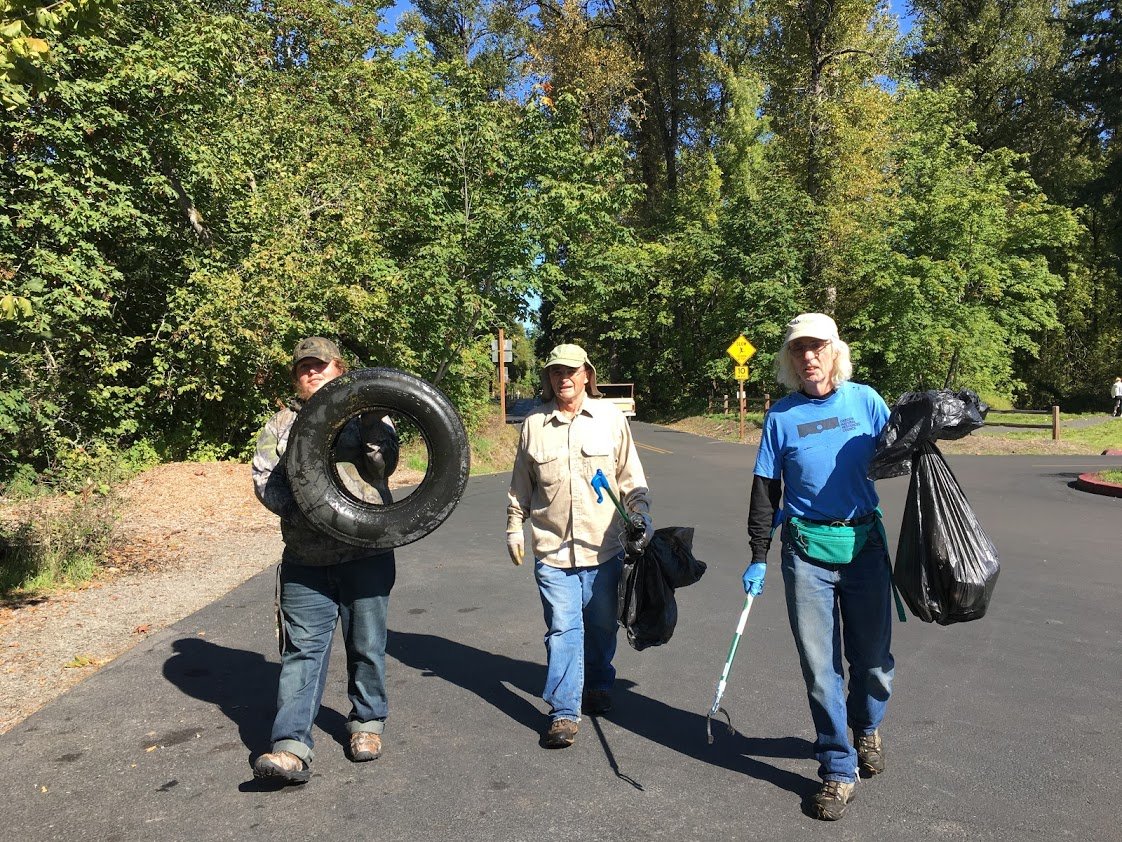
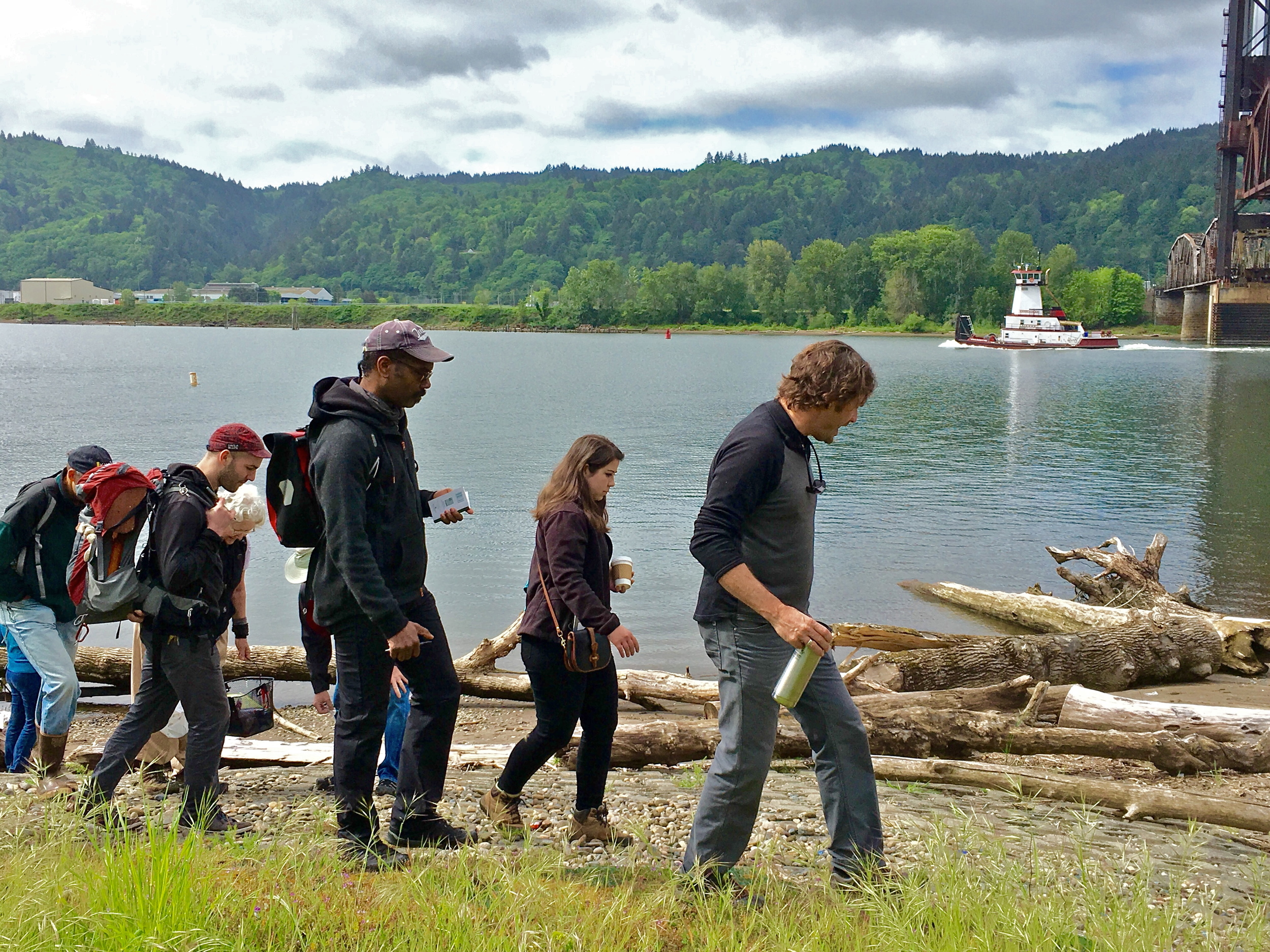
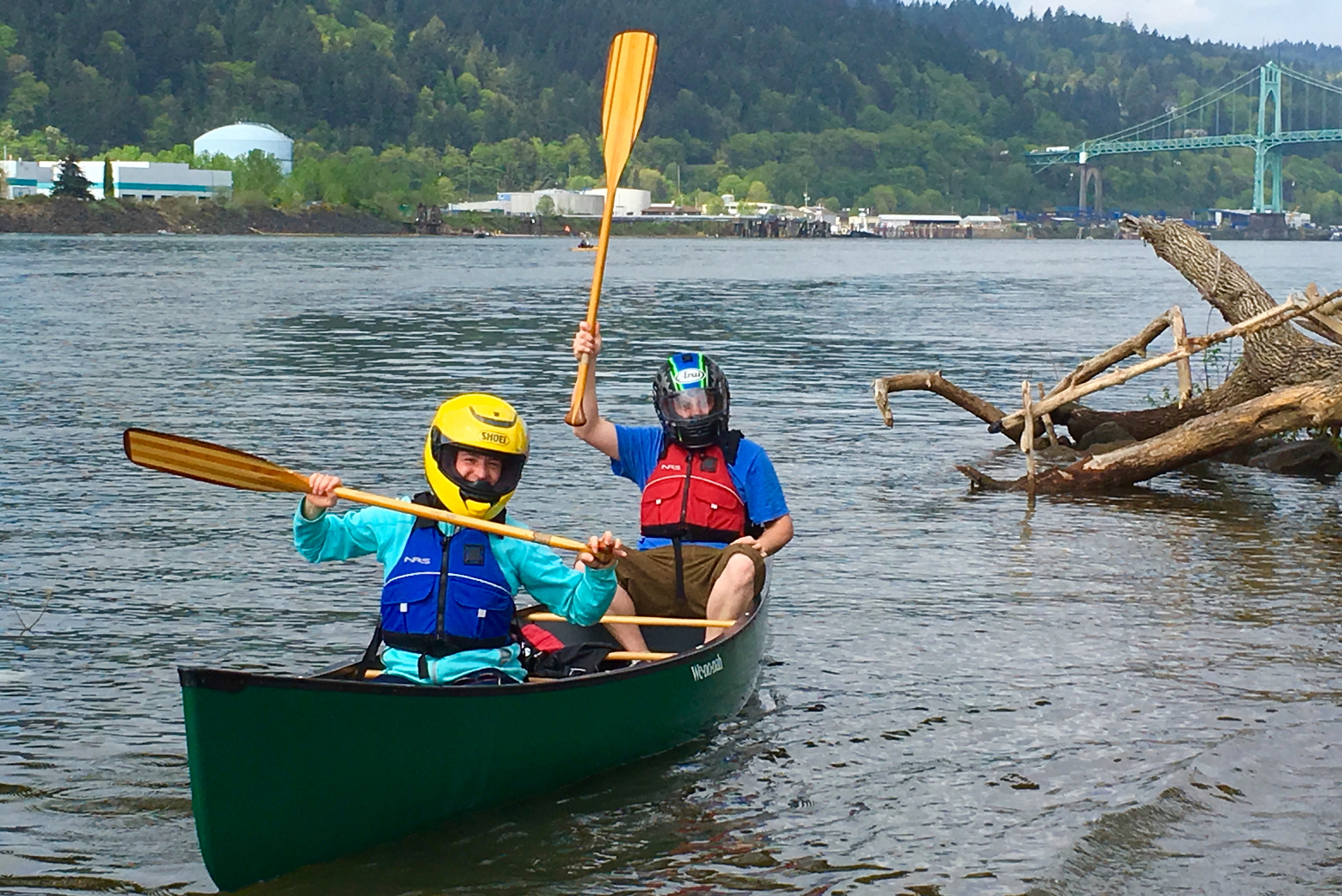
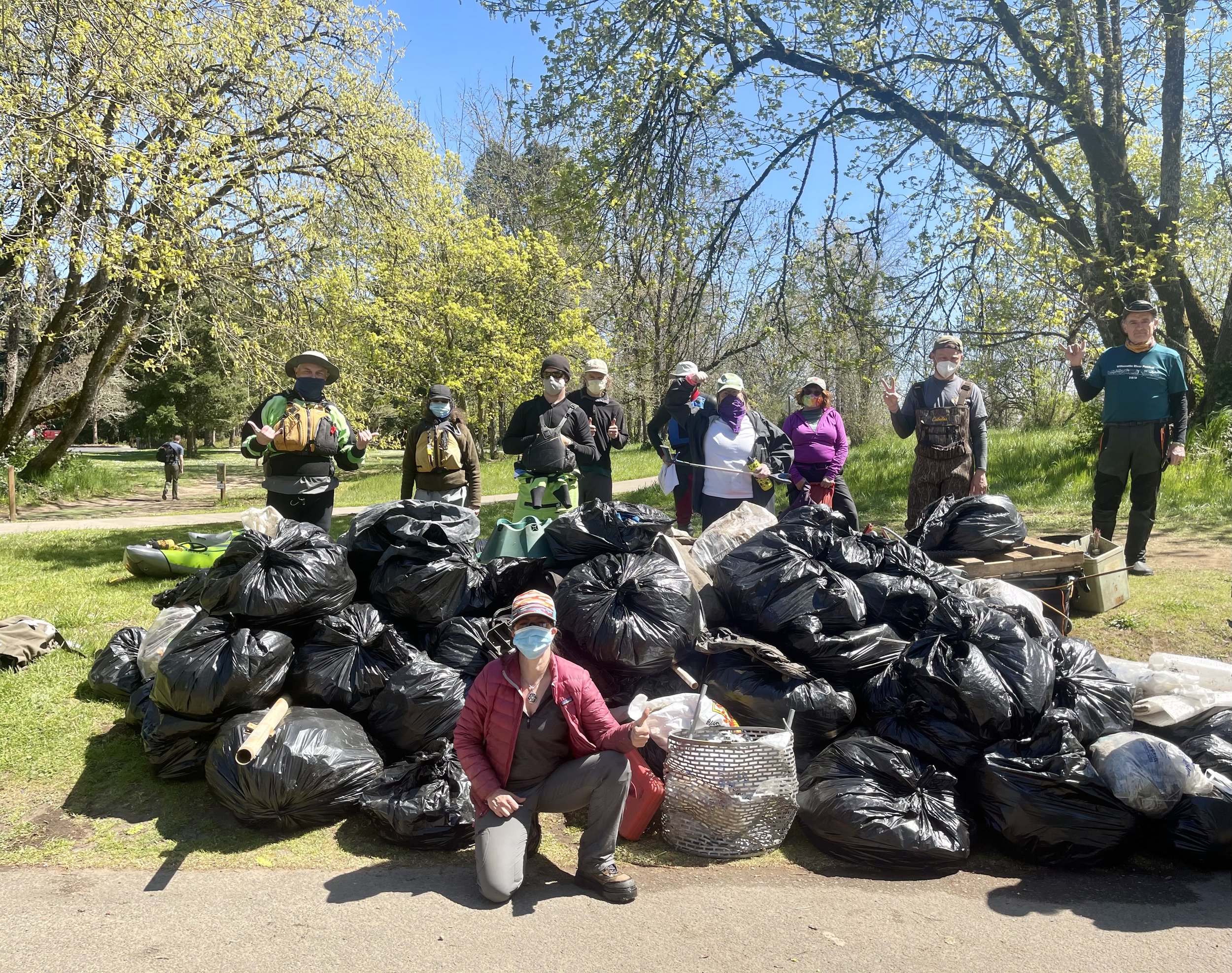
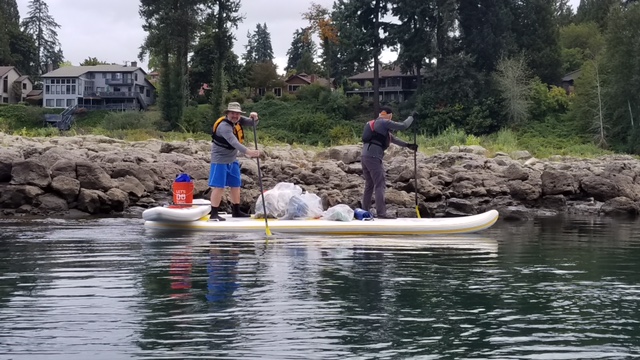
The river belongs to the public, everyday people, and should be protected as such. It should also protect all of those species of fish and wildlife that make their home in the Willamette River and its tributaries. Willamette Riverkeeper will continue to use education, advocacy, and volunteer passion to meet our goals for the Willamette River and its tributaries.
|
|
 |
 |
 |
 |
 |
|
|
| |
home
|the river|programs|about
us |how to help| contact
web
development by YSAT Enterprises
 hosting & ISP
by easystreet.com |
|
|